How to Import Chilli from India: Complete Guide for International Buyers
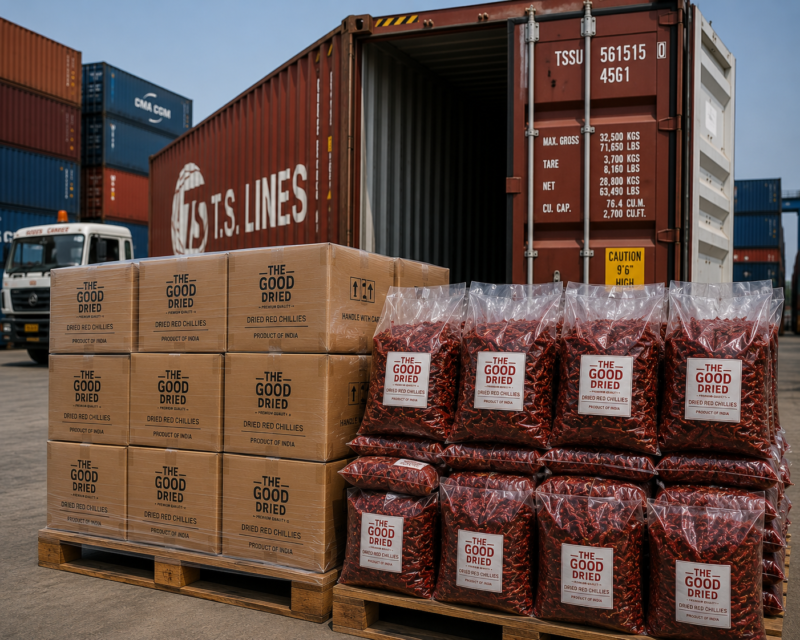
Introduction
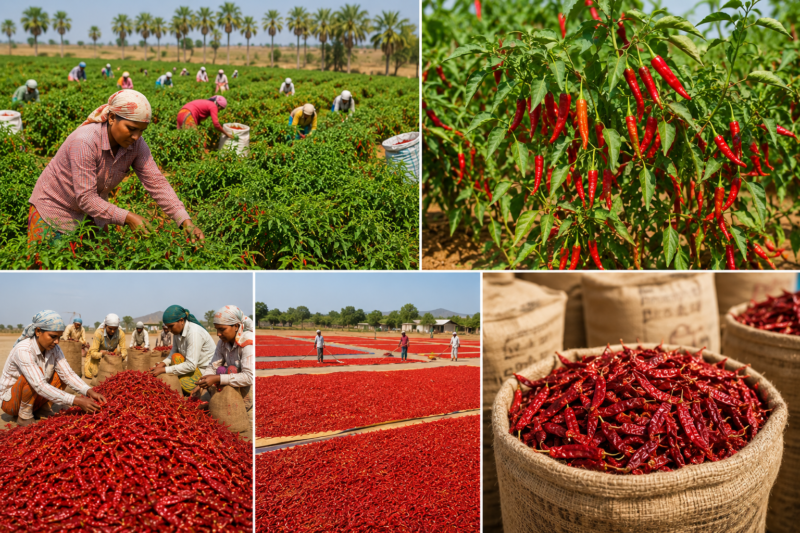
India is the world’s largest producer and one of the leading exporters of dry red chillies, supplying buyers across Asia, Europe, the Middle East, Africa, and the Americas.
Whether you are a wholesaler, food manufacturer, distributor, or spice importer, sourcing chillies from India offers access to a wide range of premium varieties at competitive prices.
However, successful importing requires more than simply choosing a supplier. Buyers should understand quality standards, documentation, packaging, shipping terms, customs requirements, and payment methods before placing an order.
This guide explains the complete import process step by step.
Why Import Chilli from India?
India has earned a strong reputation in the global spice industry because of its large production capacity, diverse chilli varieties, and well-developed export infrastructure.
Key advantages include:
- Wide variety of chilli types
- Competitive pricing
- Year-round availability
- Export-grade processing
- International shipping experience
- Customized packaging
- Flexible order quantities
- Global export network
These advantages make India one of the preferred sourcing destinations for chilli importers worldwide.
Step 1: Choose the Right Chilli Variety
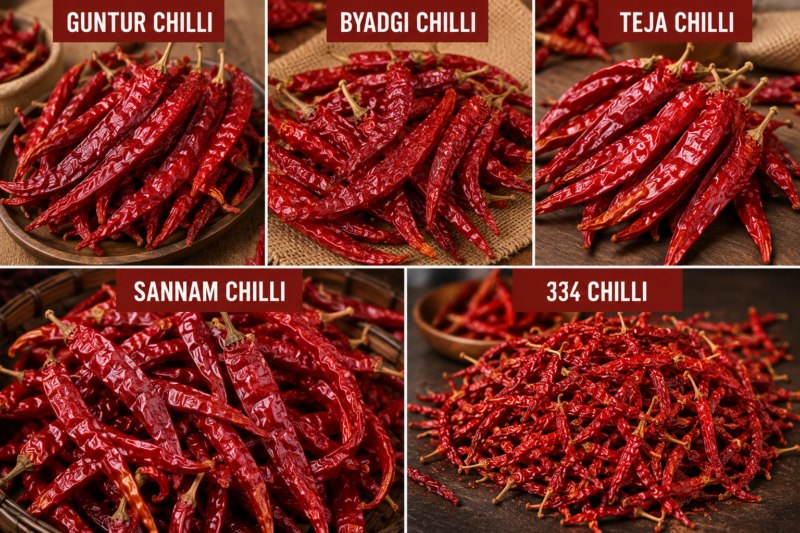
Different chilli varieties are suitable for different applications.
Selecting the correct variety is the first step toward a successful import.
| Variety | Best For |
|---|---|
| Guntur Sannam | Chilli powder, sauces |
| Teja | High pungency, oleoresin |
| Byadgi | Rich colour, paprika |
| 334 Chilli | General food processing |
| Wonder Hot | Maximum heat applications |
The ideal variety depends on your target market and product requirements.
Step 2: Find a Reliable Indian Chilli Exporter
Choosing a trustworthy supplier is one of the most important decisions during the import process.
A reliable exporter should provide:
- Consistent product quality
- Laboratory reports
- Export experience
- Proper packaging
- Documentation support
- Transparent communication
- On-time shipment
Ask for product specifications, certificates, and previous export experience before confirming an order.
Step 3: Check Product Specifications
Before placing an order, confirm the exact product specifications with your supplier.
Important parameters include:
- Moisture percentage
- ASTA Colour
- SHU (Scoville Heat Units)
- Stem percentage
- Foreign matter
- Broken percentage
- Size
- Colour
- Crop year
These specifications help ensure the product meets your market requirements.
Step 4: Request Samples
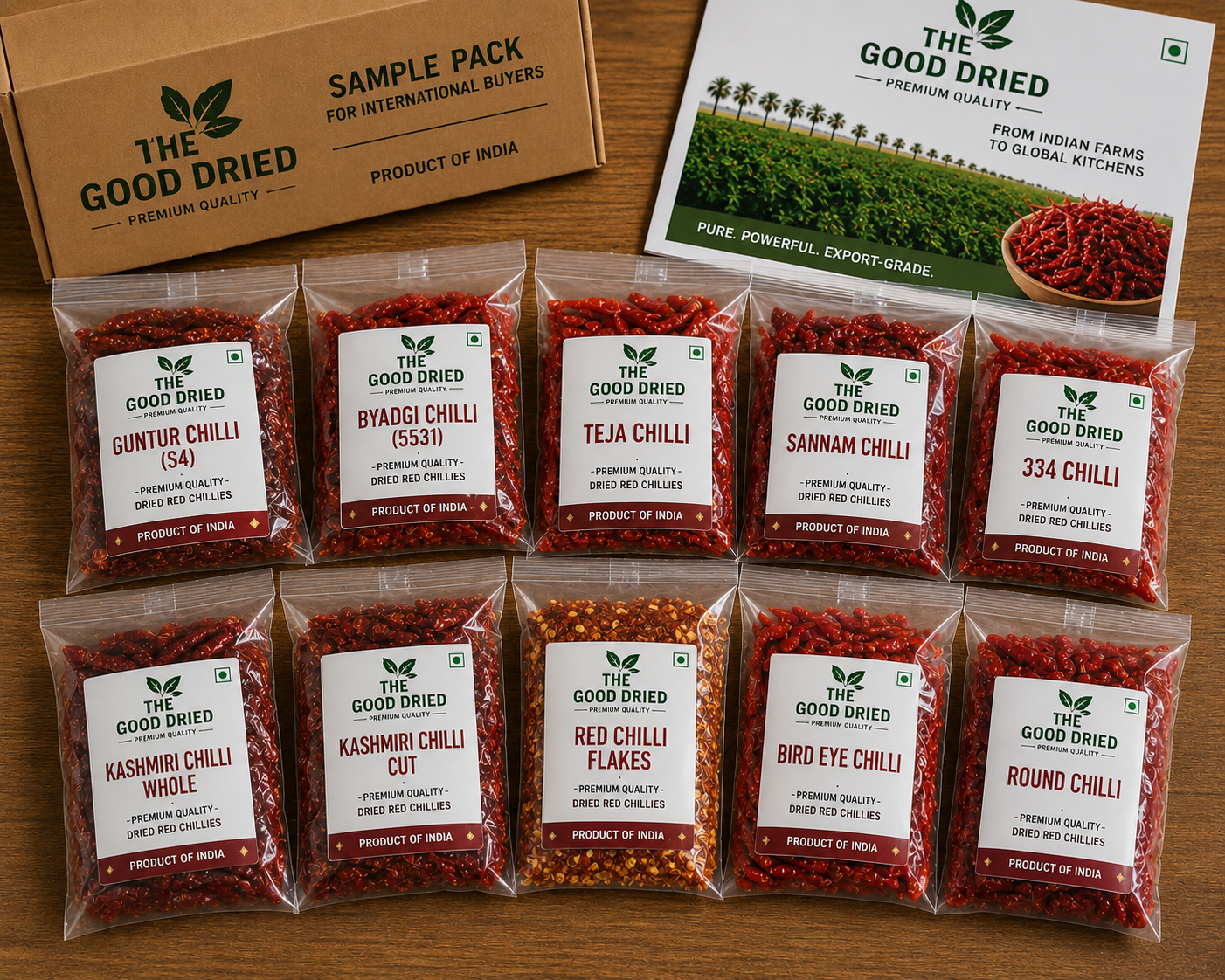
Always request product samples before placing a bulk order.
A sample allows you to evaluate:
- Colour
- Aroma
- Heat level
- Cleanliness
- Packaging quality
- Overall consistency
Testing samples helps reduce business risk before committing to a large shipment.
Step 5: Understand Export Packaging
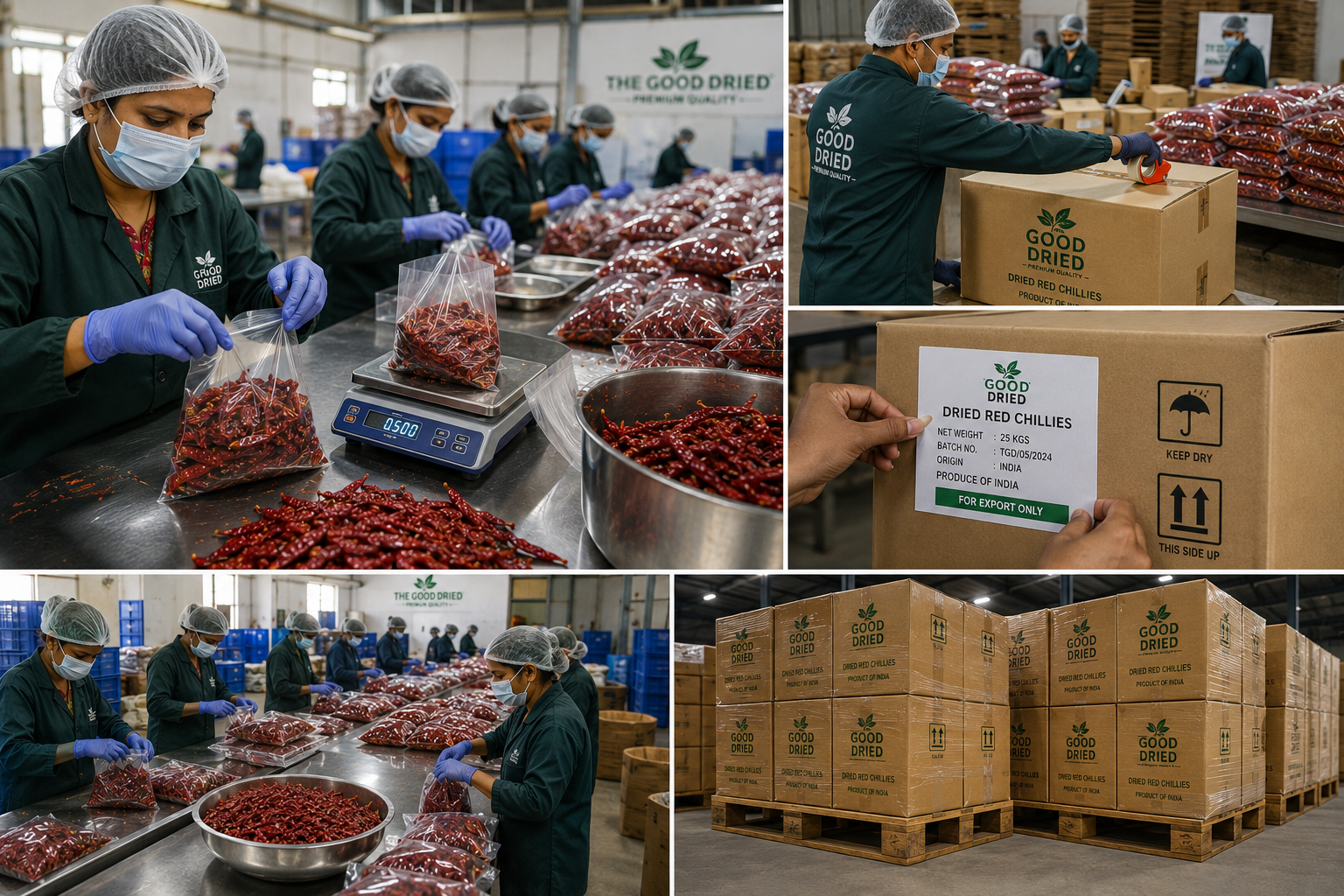
Proper packaging protects the product throughout international transportation.
Common export packaging includes:
- 5 kg PP bags
- 10 kg PP bags
- 25 kg PP bags
- Kraft paper bags
- Vacuum packaging
- Private-label packaging
The packaging choice depends on buyer requirements and destination market.
Step 6: Choose Shipping Terms
International chilli shipments are commonly supplied under:
FOB (Free On Board)
The exporter delivers the goods to the port of shipment.
The buyer arranges ocean freight and insurance.
CIF (Cost, Insurance, and Freight)
The exporter arranges freight and insurance to the destination port.
This option is often preferred by first-time importers.
Step 7: Prepare Import Documentation
A professional exporter should provide all necessary export documents.
These commonly include:
- Commercial Invoice
- Packing List
- Bill of Lading
- Certificate of Origin
- Phytosanitary Certificate (when required)
- Fumigation Certificate (if applicable)
- Laboratory Test Reports
Always confirm your country’s import requirements before shipment.
Step 8: Customs Clearance
Once the shipment arrives, customs authorities review the documents before releasing the cargo.
Depending on your country’s regulations, inspections or laboratory testing may be required.
Working with an experienced customs broker can simplify this process and reduce delays.

Step 9: Payment Terms
International chilli exports commonly use:
- Advance Payment
- TT (Telegraphic Transfer)
- Letter of Credit (LC)
- CAD (Cash Against Documents)
The payment method should be agreed upon before production begins.
Common Mistakes to Avoid
Many first-time importers make avoidable mistakes.
Avoid:
- Choosing suppliers based only on price
- Skipping product samples
- Ignoring laboratory reports
- Not checking documentation requirements
- Ordering without written specifications
- Using unclear payment terms
Careful planning helps reduce risks and build long-term supplier relationships.
Why Choose The Good Dried?
At The Good Dried, we help international buyers source export-quality Indian chillies with confidence.
We provide:
- Premium chilli varieties
- Customized specifications
- Export-grade packaging
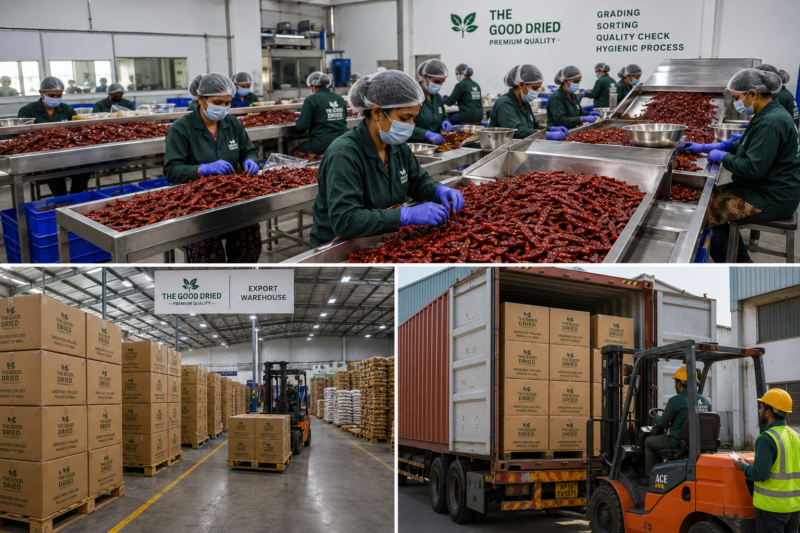
- Quality inspections
- Documentation assistance
- Reliable shipping support
- Responsive customer service
Our goal is to make the import process smooth, transparent, and efficient for buyers around the world.
Frequently Asked Questions
Which documents are required to import chilli from India?
Common documents include the Commercial Invoice, Packing List, Bill of Lading, Certificate of Origin, and any certificates required by the destination country.
Which chilli variety should I import?
The best variety depends on your intended use, desired heat level, colour requirements, and target market.
What packaging options are available?
Exporters commonly provide PP bags, kraft paper bags, vacuum packaging, and customized private-label packaging.
Which shipping term is better, FOB or CIF?
FOB gives buyers more control over freight arrangements, while CIF includes freight and insurance arranged by the exporter.
Can I request customized specifications?
Yes. Many exporters can supply chillies based on specific moisture, ASTA colour, SHU, packaging, and quality requirements.
Conclusion
Importing chilli from India can be a straightforward and rewarding process when you work with an experienced exporter and clearly define your quality, documentation, and logistics requirements.
By selecting the right chilli variety, verifying product specifications, and understanding the import process, buyers can build reliable long-term supply chains and consistently receive high-quality products.
Call to Action
Looking to Import Premium Indian Chillies?
The Good Dried supplies export-quality Indian chillies with customized specifications, flexible packaging, and worldwide shipping support.
Contact our team today to discuss your sourcing requirements, request samples, or receive a quotation.
Website – https://thegooddried.com/
LinkedIn – https://www.linkedin.com/in/aakashkotturi/
Instagram – @gooddried
Suggested Articles
Guntur Chilli vs Byadgi Chilli: Which Indian Chilli Is Better for Export?
Best Indian Chilli Exporter: 10 Factors Buyers Should Check
Teja vs Sannam Chilli: Which Indian Chilli Is Better for Export?
ASTA Color Explained: What It Means in Chilli Exports
Red Chilli Exporter from India | Premium Dry Red Chillies Worldwide
Bulk Chilli Supplier: Premium Export-Quality Red Chillies from India
Chilli Supplier from India: Premium Export-Quality Red Chillies
Chilli SHU Guide: Understanding Scoville Heat Units for Indian Chillies