ASTA Color Explained | Complete Guide for Chilli Importers
Introduction
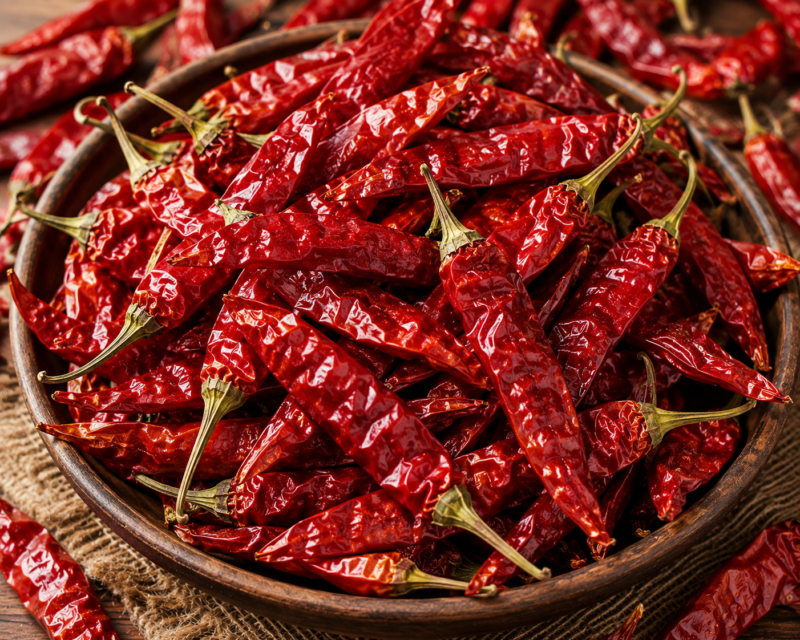
ASTA Color is one of the most important quality parameters used in the global chilli trade.
It measures the intensity of the natural red colour found in dried chillies and chilli powder.
Importers, spice manufacturers, and food processing companies often specify a required ASTA value before placing an order because colour directly affects the appearance of the final food product.
In this guide, we’ll explain what ASTA Color is, how it is measured, why it matters, and how buyers can choose the right ASTA value for different applications.
What is ASTA Color?
ASTA stands for the American Spice Trade Association.
ASTA Color is an internationally recognized measurement used to evaluate the colour intensity of chilli products.
Rather than describing colour as “light red” or “dark red,” exporters and buyers use ASTA values to communicate colour in a standardized way.
Higher ASTA values generally indicate stronger red pigmentation.
Why is ASTA Color Important?
Colour plays a significant role in consumer perception and product quality.
Bright red chilli powder is often associated with freshness and premium quality.
Many food manufacturers require consistent colour across every production batch.
Using ASTA values helps exporters and buyers maintain consistency and avoid misunderstandings.
Benefits of High ASTA Color
- Attractive product appearance
- Consistent colour in food products
- Better quality control
- Easier product specification
- Improved buyer confidence
How is ASTA Color Measured?
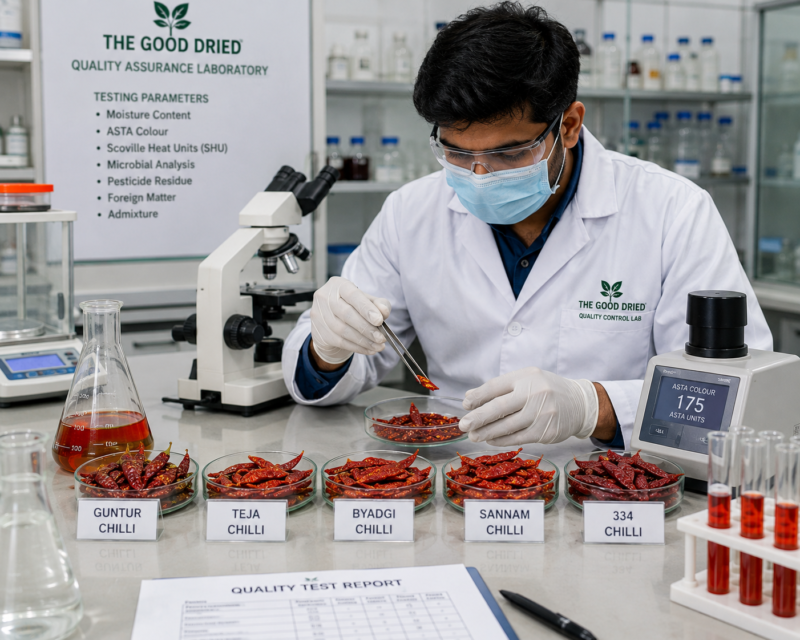
ASTA Color is measured in a laboratory using standardized testing procedures.
The test evaluates the concentration of natural pigments, mainly carotenoids, present in the chilli.
The result is expressed as an ASTA value.
This standardized process allows buyers around the world to compare products using the same quality scale.
Typical ASTA Color Ranges
Different chilli varieties naturally produce different ASTA values.
| ASTA Value | Colour Intensity | Typical Applications |
|---|---|---|
| Below 50 | Low | Industrial processing |
| 50–90 | Medium | General spice blends |
| 90–120 | Good | Chilli powder |
| 120–150 | Very Good | Premium food products |
| 150+ | Excellent | Colour extraction and specialty applications |
The required ASTA value depends on the buyer’s product requirements.
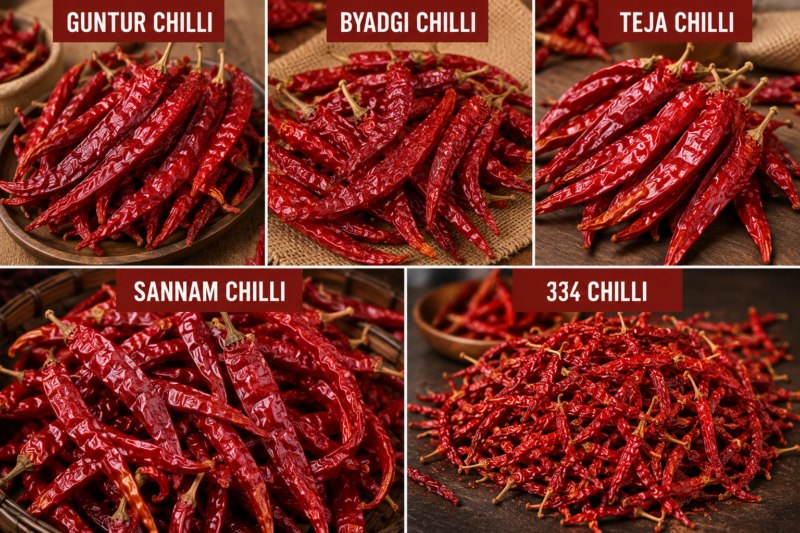
Which Indian Chillies Have High ASTA Color?
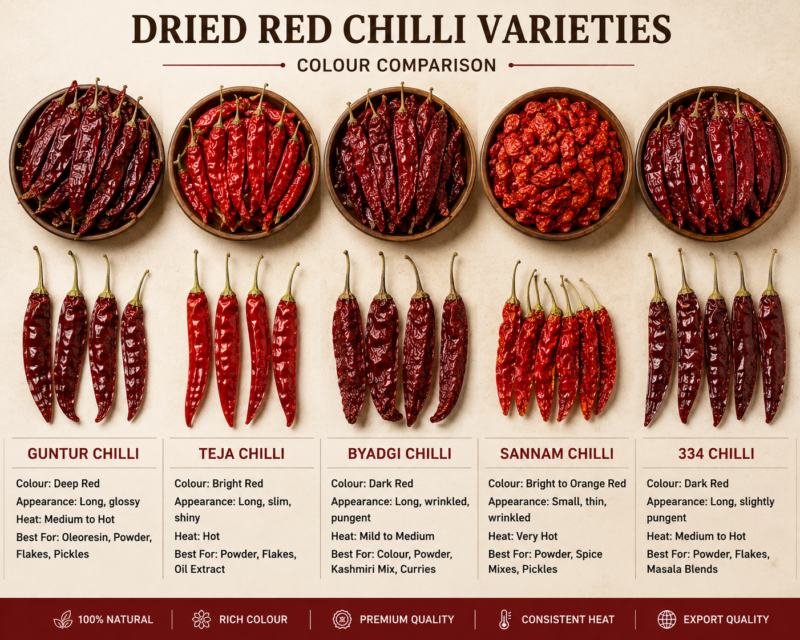
Some Indian chilli varieties are naturally known for their rich colour.
Examples include:
- Byadgi Chilli
- Guntur Sannam
- 334 Chilli
- Teja Chilli (moderate colour with high heat)
Each variety offers a different balance of colour and pungency.
ASTA Color vs SHU
ASTA Color and SHU measure completely different characteristics.
ASTA measures colour intensity.
SHU (Scoville Heat Units) measures pungency or heat.
A chilli can have:
- High ASTA and low SHU.
- High SHU and moderate ASTA.
- Balanced ASTA and SHU.
Understanding both values helps buyers select the right chilli for their products.
Factors That Affect ASTA Color
Several factors influence the final ASTA value.
These include:
- Chilli variety
- Growing conditions
- Harvest timing
- Drying method
- Storage conditions
- Processing techniques
Proper handling helps preserve natural colour during storage and export.
How Buyers Choose the Right ASTA Value
The ideal ASTA value depends on the intended application.
For example:
Chilli Powder
Buyers often prefer medium to high ASTA values for vibrant colour.
Paprika
Very high ASTA values are usually preferred because colour is the primary requirement.
Oleoresin Extraction
Both colour and pungency requirements should be considered.
Sauce Manufacturing
Manufacturers often select ASTA values based on the desired final product appearance.
Quality Standards to Check Along with ASTA
ASTA Color should not be evaluated alone.
Professional buyers also review:
- Moisture percentage
- SHU (Scoville Heat Units)
- Foreign matter
- Stem content
- Broken percentage
- Aflatoxin reports
- Pesticide residue reports
- Microbiological reports
These parameters help ensure the shipment meets international quality standards.
Why Choose The Good Dried?
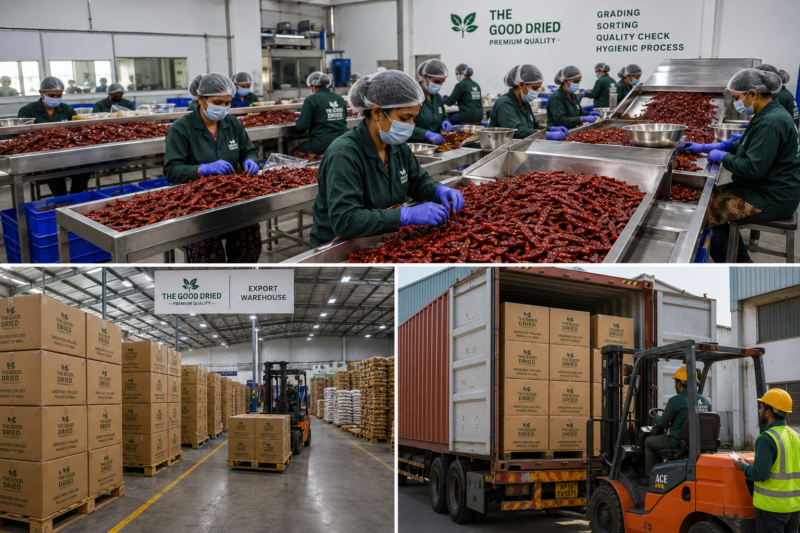
At The Good Dried, we understand that every buyer has different colour and quality requirements.
We supply export-quality Indian chillies with specifications tailored to customer needs.
Our team supports buyers with:
- Customized ASTA ranges
- Multiple chilli varieties
- Quality inspections
- Export-grade packaging
- Documentation assistance
- Worldwide shipping support
Whether you require chillies for food manufacturing, spice blending, or industrial processing, we help you source products that match your quality expectations.
Frequently Asked Questions
What does ASTA stand for?
ASTA stands for the American Spice Trade Association.
Does a higher ASTA value mean better quality?
Higher ASTA values generally indicate stronger natural colour, but the ideal value depends on the intended application.
Which chilli has the highest ASTA Color?
Byadgi Chilli is widely recognized for its excellent natural red colour and high ASTA values.
Is ASTA the same as SHU?
No.
ASTA measures colour.
SHU measures heat.
Why do importers specify ASTA values?
ASTA values help ensure consistent product colour across every shipment and production batch.
Conclusion
ASTA Color is one of the most important quality measurements in the international chilli trade.
Understanding ASTA values helps buyers choose the right chilli variety, maintain product consistency, and meet customer expectations.
When sourcing Indian chillies, ASTA Color should always be evaluated alongside other important quality parameters such as SHU, moisture content, and laboratory test reports.
Working with an experienced exporter helps ensure that every shipment meets your required specifications.
Call to Action
Looking for Export-Quality Indian Chillies?
The Good Dried supplies premium Indian chillies with customized ASTA Color specifications, flexible packaging, and worldwide export support.
Contact us today to request samples, product specifications, or a quotation.
Website – https://thegooddried.com/
LinkedIn – https://www.linkedin.com/in/aakashkotturi/
Instagram – @gooddried
Suggested Articles
Chilli SHU Guide: Understanding Scoville Heat Units for Indian Chillies
Chilli Supplier from India: Premium Export-Quality Red Chillies
Bulk Chilli Supplier: Premium Export-Quality Red Chillies from India
Red Chilli Exporter from India | Premium Dry Red Chillies Worldwide
How to Import Chilli from India: 9 Steps Complete Guide for International Buyers
Teja vs Sannam Chilli: Which Indian Chilli Is Better for Export?
Best Indian Chilli Exporter: 10 Factors Buyers Should Check
Guntur Chilli vs Byadgi Chilli: Which Indian Chilli Is Better for Export?